

.png)
.png)
Leptospirosis - What to Expect in the Okanagan
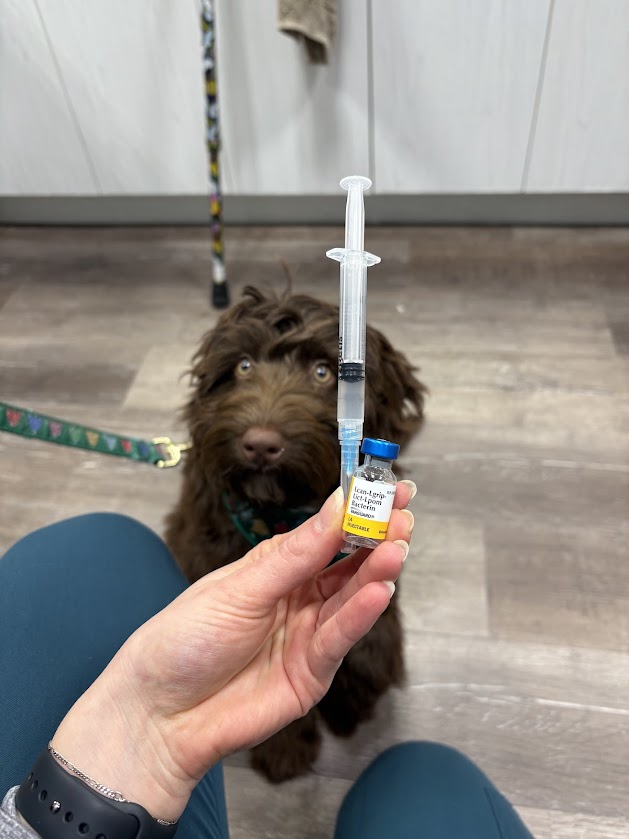
Leptospira is a harmful bacteria that can be spread from our pets to us. It can cause severe illness that can lead to damage of the liver and kidneys.
The bacteria is passed through urine from infected animals (rats, raccoons, skunks, etc.) and can then contaminate the water and soil, where our pets might pick it up. If our pets become infected with the bacteria, they can pass it to us.
There has been an increase in cases of Leptospirosis appearing in more coastal, urban areas of Canada. Because the disease poses a risk to human health, it is now considered a core vaccine by the American Animal Hospital Association.
Cases have not been frequently documented within the Okanagan, but we should consider how the increase in cases surrounding the region may impact us. Leptospira tends to thrive in milder, wetter environments than what we have here in the Okanagan.
Your pet may be a candidate for this vaccine if:
- Your pet travels to the West or East coast of Canada.
- Your pet is in potentially high-risk areas and is drinking or swimming in possibly contaminated water, walking in contaminated soil, or being exposed to other animals that may carry the bacteria.
At your pet’s annual health exam this year, your veterinarian will discuss your pet’s travel history and determine whether this vaccine is a good option for your pet.
The Leptospirosis vaccine is recommended for dogs, not cats. Cats tend to have a naturally higher resistance to the bacteria, and even if infected, tend to have little to no clinical symptoms. In short, cats are low risk for disease in comparison to our canine friends.
The Leptospirosis vaccine needs to be boosted one month after your pet’s first dose. After that, the vaccine will be given annually at your pet’s health exam.
If you think your pet falls under one of the categories that may make them a candidate for this vaccine, please contact the clinic to schedule an appointment to discuss further.
Posted on:
Wednesday, January 7, 2026
in
Preventative Care
category.

